Acute kidney injury (AKI) is common in ECMO patients — reported in 40–70% of cases — reflecting the severity of the underlying illness, haemodynamic instability, nephrotoxic drug exposure, and haemolysis. When AKI progresses to requiring renal replacement therapy (RRT), the ECMO team must integrate two complex circuits simultaneously. Understanding how to run ECMO and RRT together safely is an important component of advanced ECMO management.
Why AKI is common on ECMO
- Pre-ECMO ischaemia: cardiac arrest, cardiogenic shock, and prolonged hypotension before ECMO initiation damage the renal tubules
- Non-pulsatile flow (particularly VA ECMO) reduces renal perfusion pressure and activates the renin-angiotensin-aldosterone system
- Haemolysis: free haemoglobin is directly nephrotoxic and causes tubular obstruction
- Nephrotoxic drugs: aminoglycosides, contrast agents, amphotericin — often used in critically ill ECMO patients
- Systemic inflammatory response: complement activation by the ECMO circuit contributes to tubular injury
RRT modalities used with ECMO
Continuous renal replacement therapy (CRRT) is preferred over intermittent haemodialysis in haemodynamically unstable ECMO patients. CRRT provides gentle, continuous fluid and solute removal without haemodynamic fluctuations.
Sustained low-efficiency dialysis (SLED) and intermittent haemodialysis can be used in more stable ECMO patients.
Circuit integration: in-line vs parallel
Two approaches exist for combining ECMO and RRT:
- Parallel circuits (separate access): the CRRT machine runs through its own separate vascular access (e.g., a central vascular catheter). This is simpler and preferred when possible. Both circuits run independently.
- In-line integration: the CRRT filter is inserted directly into the ECMO circuit — drawing blood from the post-pump limb and returning it pre-oxygenator. This eliminates the need for separate vascular access but requires careful pressure management and awareness that anticoagulation affects both circuits simultaneously.
Anticoagulation considerations
ECMO anticoagulation (systemic UFH) provides anticoagulation for the CRRT circuit as well when in-line. When circuits run in parallel, regional citrate anticoagulation for the CRRT circuit can reduce systemic anticoagulant burden — useful in high bleeding risk patients. Careful attention to citrate accumulation (metabolic alkalosis, hypocalcaemia) is required.
Drug dosing on ECMO-CRRT
Adding CRRT to ECMO further alters drug pharmacokinetics. Antimicrobials, antifungals and anticoagulants may all be cleared or retained differently. Therapeutic drug monitoring and pharmacy consultation are essential when ECMO and CRRT are running simultaneously.
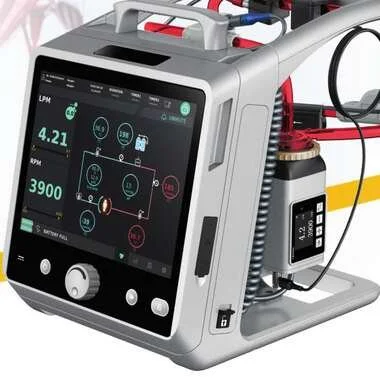
To learn more about the Lifemotion ECMO system — ARTG-listed and exclusively distributed across Australia and New Zealand by OHM Healthcare — visit us.
For healthcare professionals. Educational only — ECMO-CRRT integration requires specialist intensivist and perfusionist expertise.

 Request Demonstration →
Service Support →
Request Demonstration →
Service Support →