ECMO is a high-stakes, low-frequency therapy — the combination most associated with skill decay and adverse events. Training and simulation are therefore not optional extras in ECMO programme development; they are central to patient safety. Australia has been at the forefront of ECMO simulation internationally, with several centres developing structured, scenario-based curricula for physicians, nurses and perfusionists.
Why simulation matters for ECMO
ECMO emergencies — circuit disconnection, massive air embolism, oxygenator failure, cardiac arrest on ECMO — are infrequent at any single centre. Without simulation, the first time a nurse or physician encounters one of these events in real life may be the only time they get it wrong. Simulation allows teams to practise responses in a safe environment, identify communication failures, and build procedural memory for time-critical actions.
Levels of ECMO training
- Introductory: ECMO physiology, circuit components, anticoagulation, monitoring — suitable for new ECMO rotations, nursing orientations, and ICU trainees
- Competency-based: structured sign-off on specific skills (circuit set-up and prime, alarm recognition and response, limb monitoring, troubleshooting) — mandatory for all bedside ECMO nurses and perfusionists
- Advanced procedural: cannulation training for ECMO physicians — typically involves simulated cannulation on models, cadaveric workshops, and mentored live cases at an established ECMO centre
- Team simulation: high-fidelity mannequin-based scenarios involving the full ECMO team — most effective for communication, leadership, and emergency response training
Australian ECMO simulation programmes
Several Australian centres have developed structured ECMO simulation programmes:
- The Alfred Hospital (Melbourne) runs an ECMO simulation course that has trained clinicians from across Australia and internationally
- Royal Prince Alfred Hospital (Sydney) integrates simulation into its ECMO programme competency framework
- The Clinical Skills Development Service (CSDS) in Brisbane has offered simulation-based ECMO courses for Queensland clinicians
The role of the ECMO device distributor in training
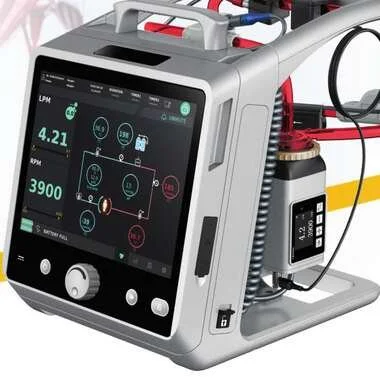
Medical device distributors providing ECMO systems to Australian hospitals have an obligation to support training on their specific equipment. OHM Healthcare, as the exclusive ANZ distributor of the Lifemotion ECMO system, provides device-specific training, circuit set-up workshops, and clinical engineering support to institutional customers across Australia and New Zealand.
Maintaining competency between cases
ECMO volume varies — some centres run fewer than 20 cases per year. Maintaining individual competency between cases requires regular simulation refreshers (at minimum annually), participation in in-situ drills, and circuit set-up practice using priming water to keep technical skills current.
To learn more about ECMO training support and the Lifemotion ECMO system across Australia and New Zealand — visit us.
For ECMO educators, programme directors and clinical leads. Educational only.

 Request Demonstration →
Service Support →
Request Demonstration →
Service Support →