ECMO has evolved from an experimental therapy for newborns in the 1970s to a cornerstone of critical care and cardiac surgery across Australia and New Zealand in 2026. The next decade promises further advances — in device technology, evidence quality, programme expansion, and patient experience. This article reviews the most important trends shaping the future of ECMO in ANZ.
Miniaturisation and portability
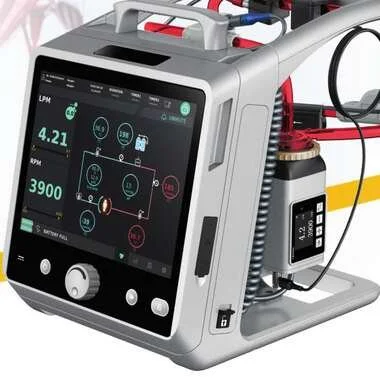
The trend toward smaller, lighter, and more mobile ECMO consoles continues. Systems like the Lifemotion ECMO platform represent the current generation: integrated oxygenator, pump, monitoring and alarms in a compact, battery-capable unit that can be used at the bedside, in the ambulance, and on the aircraft. Future systems will continue to reduce weight, extend battery life, and simplify circuit priming — increasing the geographic reach of ECMO retrieval in remote areas of Australia and the Pacific.
Haemocompatibility: reducing circuit-related harm
Thrombosis and bleeding — the twin complications of ECMO — are fundamentally caused by the interaction of blood with synthetic circuit surfaces. Research into next-generation anticoagulant coatings, phosphorylcholine surface modifications, and polymer chemistry aims to reduce circuit activation without eliminating the need for systemic anticoagulation. The Lifemotion oxygenator and circuit incorporate phosphorylcholine (PC) coating — a biomimetic approach that mimics the outer phospholipid layer of red blood cells to reduce protein adsorption and platelet activation.
Expanding the evidence base
The RECOMMEND trial (recruiting from 2026) is the most ambitious ECMO research platform to date — a multi-arm platform trial designed to evaluate multiple interventions in ECMO simultaneously, including anticoagulation strategies, ventilation protocols, and patient selection criteria. ANZ centres are active participants. Results from RECOMMEND and other ongoing trials (PRONECMO, VENT-AVOID) will further refine the evidence base for ECMO management.
ECMO programme growth in ANZ
The number of ECMO centres in Australia and New Zealand continues to grow, driven by: expanding indications, increasing clinician training capability, ECMO network development, and COVID-19-era investment in critical care infrastructure. New ECMO programmes are being established at regional centres, with spoke-hospital models allowing greater geographic distribution of ECMO access within formal retrieval networks.
AI and decision support
Artificial intelligence tools are being developed to support ECMO decision-making: patient selection algorithms trained on registry data to predict who benefits from ECMO, and real-time circuit monitoring systems that detect oxygenator deterioration or thrombosis earlier than conventional monitoring. These tools will augment — but not replace — the experienced ECMO team.
Patient and family experience
Increasing recognition of post-ECMO psychological sequelae — post-traumatic stress, anxiety, depression, cognitive impairment — has driven investment in post-ICU and post-ECMO follow-up clinics in Australia. Long-term patient reported outcome measures (PROMs) are now embedded in EXCEL registry data collection, creating a patient-centred evidence base for ECMO outcomes that goes beyond survival.
To learn more about the Lifemotion ECMO system — ARTG-listed, CE-marked, and exclusively distributed across Australia and New Zealand by OHM Healthcare — visit us.
For healthcare professionals, researchers and health system planners. Educational only — emerging evidence and technologies discussed are subject to ongoing clinical evaluation.

 Request Demonstration →
Service Support →
Request Demonstration →
Service Support →