Post-cardiotomy cardiogenic shock — failure to wean from cardiopulmonary bypass (CPB) after cardiac surgery — occurs in 2–6% of cardiac surgical cases and carries a mortality of 50–80% without mechanical circulatory support. VA ECMO is one of the most widely used support strategies in this setting, providing biventricular support and oxygenation for patients whose hearts cannot sustain adequate output after surgery.
When does post-cardiotomy shock occur?
Failure to wean from bypass is recognised when the heart cannot maintain adequate cardiac output at the end of surgery despite maximum inotropic support. The myocardium may have been damaged by: prolonged cross-clamp time and myocardial ischaemia, inadequate myocardial protection, pre-operative dysfunction, an unexpected surgical complication, or perioperative myocardial infarction. Some cases are recognised only in the ICU as haemodynamics deteriorate post-operatively.
ECMO vs IABP vs centrifugal VAD
Several mechanical circulatory support (MCS) options exist for post-cardiotomy shock:
- IABP (intra-aortic balloon pump): augments diastolic perfusion and reduces LV afterload; easy to insert but limited haemodynamic effect; insufficient for severe shock
- VA ECMO: provides full biventricular support and oxygenation; deployed rapidly in the operating room; best for refractory shock unresponsive to IABP and inotropes
- Centrifugal VAD (CentriMag): provides isolated LV or RV support with pulsatile option; used when more selective support is needed
Central vs peripheral cannulation in cardiac surgery
When VA ECMO is needed intraoperatively, cannulation is central — ascending aorta (arterial return) and right atrium (venous drainage). This avoids the retrograde flow of femoral VA ECMO, eliminates limb ischaemia risk, and provides full cardiac output from the aortic root. After chest closure, peripheral cannulation may be used if ECMO needs to continue.
LV venting in post-cardiotomy ECMO
LV distension is particularly common in post-cardiotomy VA ECMO because the LV is acutely impaired and cannot eject against ECMO afterload. LV venting via a surgically placed vent catheter, IABP, or Impella is frequently required. Echocardiographic surveillance for LV distension should begin immediately after ECMO initiation.
Outcomes and bridge strategies
Post-cardiotomy ECMO outcomes depend heavily on the reversibility of the underlying myocardial injury. Survival to discharge is approximately 25–40% in most series — reflecting the severity of this population. For patients who do not recover on ECMO, bridging to a durable LVAD or urgent cardiac transplantation is the next consideration. Early palliative care involvement is appropriate when recovery is unlikely.
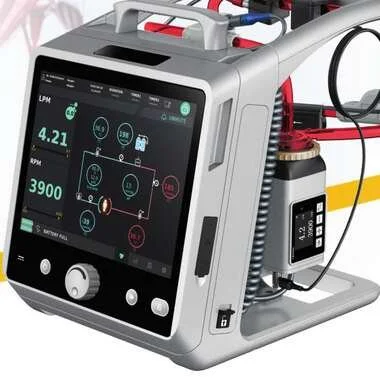
To learn more about the Lifemotion ECMO system — ARTG-listed and exclusively distributed across Australia and New Zealand by OHM Healthcare — visit us.
For cardiac surgeons, intensivists and cardiac anaesthetists. Educational only — refer to your institution's cardiac surgery and ECMO protocols.

 Request Demonstration →
Service Support →
Request Demonstration →
Service Support →