Septic shock — life-threatening organ dysfunction caused by a dysregulated host response to infection, with circulatory failure refractory to fluid resuscitation — causes myocardial depression in up to 60% of patients. When sepsis-induced cardiomyopathy progresses to refractory cardiogenic shock, VA ECMO has been used as a support strategy. However, the evidence base and clinical decision-making for ECMO in septic shock are significantly more nuanced than for other cardiogenic shock aetiologies.
Septic cardiomyopathy: the cardiac component of sepsis
Sepsis frequently impairs myocardial function through inflammatory mediators, including cytokines, nitric oxide, and reactive oxygen species. The result is biventricular depression — reduced ejection fraction, dilated ventricles, impaired diastolic function — in addition to profound vasodilation. Septic cardiomyopathy is generally reversible if the patient survives the acute illness; recovery of cardiac function typically occurs within 7–10 days of surviving sepsis.
The challenge of ECMO in septic shock
Unlike myocarditis or AMI-CS, septic shock involves profound vasodilation as a primary pathophysiological mechanism. VA ECMO increases afterload (which helps in reduced ejection fraction states) but does not address the underlying vasodilatation. Patients may remain profoundly vasoplegic despite ECMO support, requiring high-dose vasopressors. This combination — ECMO + high vasopressor requirements — is associated with high mortality.
What the evidence shows
There are no published randomised controlled trials of VA ECMO for septic shock. Observational series and registry data show variable outcomes:
- In-hospital mortality for ECMO in septic shock is reported at 70–80% in most series — substantially higher than for other cardiogenic shock aetiologies
- Better outcomes are associated with: younger age, less severe organ failure at ECMO initiation, reversible septic source (e.g., bacterial endocarditis with surgical option), and prompt source control
- ECMO can be justified as a bridge when source control (surgery, drainage) is imminent and the underlying infection is treatable
When to consider ECMO in septic shock
Expert consensus suggests ECMO in septic shock is most justifiable when:
- The septic source is identified and amenable to definitive control
- The cardiac dysfunction is disproportionate to the vasoplegia (true cardiogenic component)
- All other circulatory support measures have been optimised
- The patient is young with few comorbidities and a reversible underlying process
VV ECMO for sepsis-associated ARDS
Separately from cardiac support, VV ECMO has a clearer role in sepsis: as respiratory support for patients who develop severe ARDS as a consequence of sepsis. When the lungs are the failing organ (not the heart), VV ECMO is applied by standard criteria regardless of the septic aetiology.
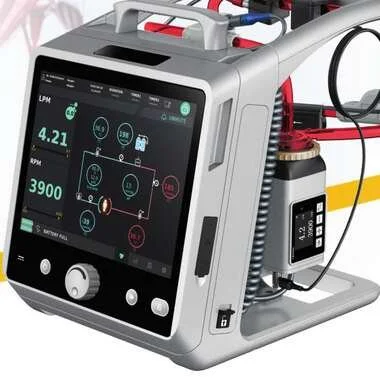
To learn more about the Lifemotion ECMO system — ARTG-listed and exclusively distributed across Australia and New Zealand by OHM Healthcare — visit us.
For healthcare professionals. Educational only — ECMO decisions in septic shock require careful individualised assessment by an experienced ECMO team.

 Request Demonstration →
Service Support →
Request Demonstration →
Service Support →