Bleeding is the most common serious complication of ECMO, occurring in 27–60% of patients across reported series. The combination of mandatory systemic anticoagulation, contact activation of coagulation, platelet dysfunction from circuit exposure, and the severity of underlying illness creates a prohemorrhagic state that requires constant vigilance. This article reviews the types, risk factors and management of bleeding in ECMO patients.
Types of bleeding in ECMO
- Cannulation site bleeding: the most common; managed with local pressure, suturing, or haemostatic dressings
- Surgical site / chest drain bleeding: particularly significant post-cardiotomy ECMO; may require surgical re-exploration
- Gastrointestinal bleeding: stress ulceration, angiodysplasia; managed with PPIs, endoscopy
- Pulmonary haemorrhage: haemoptysis from pulmonary haemorrhage; particularly concerning in VV ECMO
- Intracranial haemorrhage (ICH): the most feared; often fatal or leads to severe neurological disability; incidence 5–10%; requires immediate anticoagulation management decision
- Retroperitoneal haematoma: from femoral cannulation; may be large and covert
Risk factors for bleeding on ECMO
- Surgical ECMO (vs percutaneous cannulation)
- Arterial cannulation site (vs venous only)
- Prolonged ECMO duration
- Pre-existing coagulopathy
- Acquired von Willebrand disease (from shear stress in centrifugal pumps)
- Thrombocytopenia (low platelet count impairs primary haemostasis)
Acquired von Willebrand syndrome on ECMO
High-shear conditions in the centrifugal pump cleave ultra-large vWF multimers, creating an acquired von Willebrand syndrome (AVWS). This impairs platelet plug formation and increases mucosal and surgical bleeding risk. AVWS is detectable by vWF collagen binding activity assay or vWF multimer analysis. It resolves rapidly after ECMO decannulation.
Management of bleeding on ECMO
Management depends on bleeding severity and site:
- Reduce anticoagulation targets to the minimum safe level
- Platelet transfusion to maintain count ≥80–100 × 10⁹/L
- Fibrinogen supplementation (cryoprecipitate or fibrinogen concentrate) if depleted
- FFP and factor concentrates as guided by TEG/ROTEM
- Antifibrinolytics (tranexamic acid) for mucosal and surgical bleeding
- Surgical or radiological intervention for identified bleeding source
- For life-threatening ICH: consider heparin cessation and circuit change, or withdrawal discussion
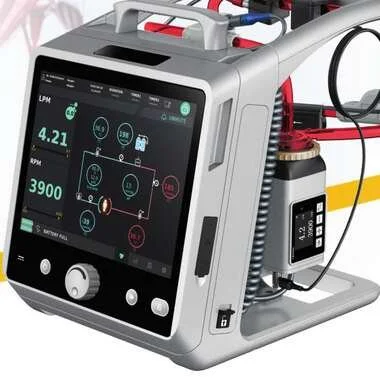
To learn more about the Lifemotion ECMO system — ARTG-listed and exclusively distributed across Australia and New Zealand by OHM Healthcare — visit us.
For healthcare professionals. Educational only — bleeding management on ECMO requires specialist ECMO and haematology expertise.

 Request Demonstration →
Service Support →
Request Demonstration →
Service Support →