Circuit thrombosis is the second major haemostatic complication of ECMO — the counterpart to bleeding. Thrombus can form in any component of the ECMO circuit: the oxygenator, the pump, the tubing and particularly at flow stagnation zones. Circuit thrombosis may cause oxygenator failure, pump dysfunction, embolism to the patient, or require emergency circuit change.
Why does circuit thrombosis occur?
Blood in contact with synthetic circuit surfaces activates platelets and the coagulation cascade. Areas of low or turbulent flow — the oxygenator inlet and outlet, the pump housing, sharp bends in the tubing — are particularly susceptible. Inadequate anticoagulation, prolonged circuit duration, reduced flow, and increased fibrinogen levels all increase thrombotic risk.
Oxygenator failure from thrombosis
The oxygenator is the most common site of significant thrombosis. Progressive fibrin and platelet deposition within the hollow-fibre bundle reduces gas exchange efficiency. Signs of oxygenator deterioration include:
- Falling post-membrane PaO₂ at a given sweep gas FiO₂
- Increasing pressure drop across the oxygenator (measured by pre- and post-oxygenator pressure transducers)
- Visible clot within the oxygenator header or fibres (on inspection through the device housing)
- Increasing pump speed required to maintain target flow
Patient-side thromboembolism
Thrombus within the circuit can embolise to the patient. The direction of embolism depends on circuit configuration:
- VV ECMO: emboli returned via the venous return cannula pass through the right heart and into the pulmonary circulation
- VA ECMO: emboli from the arterial return cannula enter the systemic circulation — cerebral, coronary and visceral emboli are possible
Monitoring for circuit thrombosis
- Regular visual inspection of circuit — especially oxygenator and pump head — at each nursing assessment
- Monitoring pressure drop across the oxygenator (ideally every 6–12 hours)
- Plasma-free haemoglobin (haemolysis marker for pump thrombosis)
- LDH — rises with significant haemolysis from thrombus-induced turbulence
Circuit change-out
When oxygenator failure or significant circuit thrombosis is confirmed, a circuit change is required. This is a planned emergency procedure performed at the bedside by the ECMO team. A pre-primed replacement circuit is connected; the crossover is performed under full anticoagulation. The patient must be monitored closely for haemodynamic instability during the procedure.
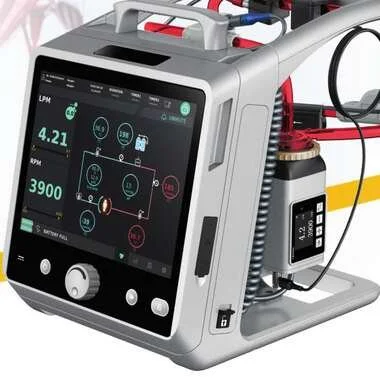
To learn more about the Lifemotion ECMO system — ARTG-listed and exclusively distributed across Australia and New Zealand by OHM Healthcare — visit us.
For healthcare professionals. Educational only — circuit thrombosis management requires specialist ECMO expertise.

 Request Demonstration →
Service Support →
Request Demonstration →
Service Support →