Anticoagulation is a central pillar of ECMO management. Blood contact with the synthetic surfaces of the ECMO circuit activates the coagulation cascade; without anticoagulation, circuit thrombosis occurs within minutes. Yet too much anticoagulation causes catastrophic haemorrhage. Achieving the right balance — enough to protect the circuit, not so much as to bleed the patient — is one of the most challenging and consequential decisions in ECMO management.
Why anticoagulation is essential on ECMO
The ECMO circuit exposes blood to non-endothelial surfaces: polyvinyl chloride tubing, the oxygenator, and the pump impeller. These surfaces activate complement, platelets, and the intrinsic coagulation pathway. Blood stagnation (particularly at the oxygenator and in low-flow areas) promotes thrombus formation. Modern circuits use heparin-bonded coatings to reduce surface activation, but systemic anticoagulation is still required for most patients.
Unfractionated heparin: the standard agent
Unfractionated heparin (UFH) remains the anticoagulant of choice for ECMO because:
- Rapid onset and offset (easily reversed with protamine)
- Titrateable by bedside monitoring
- Decades of ECMO experience
- Does not cross the placenta (important in pregnancy)
Typical dosing: loading bolus of 50–100 units/kg at cannulation, followed by continuous infusion at 10–30 units/kg/hour, titrated to target.
Monitoring heparin on ECMO
Three monitoring methods are in common use:
- Activated clotting time (ACT): bedside point-of-care test; target typically 180–220 seconds; easy and fast but affected by haemodilution, hypothermia and factor deficiencies
- Activated partial thromboplastin time (aPTT): target 60–80 seconds; standard laboratory test; more specific than ACT
- Anti-Xa activity: directly measures heparin effect; target 0.3–0.5 IU/mL; increasingly preferred as most specific measure of UFH effect
Most centres use a combination — ACT for rapid bedside decisions and anti-Xa for more precise titration.
High bleeding risk: reduced anticoagulation strategies
In patients at very high haemorrhagic risk (recent surgery, intracranial injury, major bleeding), heparin targets can be reduced or heparin temporarily discontinued if a heparin-bonded circuit is in use. Bitargeted anticoagulation using anti-Xa to confirm near-therapeutic levels alongside ACT is used at some centres to allow tighter control.
Alternative anticoagulants
- Bivalirudin: direct thrombin inhibitor; used in heparin-induced thrombocytopenia (HIT); titratable, monitored by aPTT or ECT; increasingly used as primary anticoagulant at some centres
- Argatroban: hepatically metabolised DTI; useful in HIT with renal failure
- No anticoagulation: short-term heparin-free ECMO (hours) has been described in extreme haemorrhage; risk of catastrophic circuit thrombosis limits duration
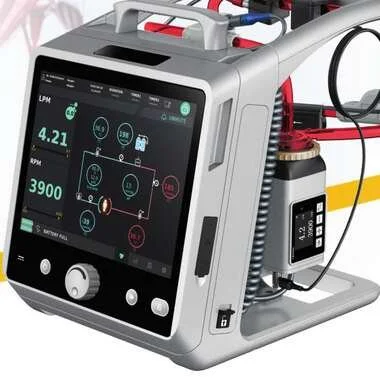
To learn more about the Lifemotion ECMO system — ARTG-listed and exclusively distributed across Australia and New Zealand by OHM Healthcare — visit us.
For healthcare professionals. Educational only — anticoagulation management on ECMO requires specialist clinical oversight.

 Request Demonstration →
Service Support →
Request Demonstration →
Service Support →