Cardiac arrest caused by drug overdose presents a unique opportunity for ECPR — extracorporeal cardiopulmonary resuscitation — because the underlying cause is often rapidly reversible. Once the toxic agent is metabolised or removed, cardiac function can recover fully. VA ECMO can maintain circulation during the critical window of toxin clearance, making ECPR for toxicological arrest one of the highest-yield applications of the technology.
Which drugs are most commonly implicated?
Drugs causing cardiac arrest for which ECPR is reported to be beneficial include:
- Beta-blockers (particularly high-dose propranolol, sotalol): profound bradycardia, hypotension, ventricular arrhythmia
- Calcium channel blockers (verapamil, diltiazem): complete heart block, refractory vasodilation
- Tricyclic antidepressants: sodium channel blockade causing wide complex arrhythmias and cardiac arrest
- Local anaesthetic toxicity (bupivacaine): lipophilic, causes prolonged cardiac depression amenable to lipid emulsion therapy as adjunct
- Digoxin: bradyarrhythmia and ventricular arrhythmia; Fab fragment reversal on ECMO
- Recreational stimulants (cocaine, methamphetamine): coronary spasm, catecholamine excess
Why toxicological ECPR has high potential benefit
The fundamental requirement for ECPR to provide benefit is reversibility of the underlying cause. In toxicological arrest, if the drug half-life is finite and organ toxicity has not yet caused irreversible injury, ECMO buys the exact time needed for:
- Drug metabolism and clearance
- Administration of specific antidotes (lipid emulsion, Fab fragments, glucagon, high-dose insulin)
- Haemodialysis for dialysable agents
ECMO for refractory poisoning without cardiac arrest
VA ECMO has also been used as a haemodynamic support strategy in patients with profound cardiovascular depression from drug overdose who have not yet arrested — a strategy called "ECMO before arrest" in toxicology. By stabilising haemodynamics before cardiac arrest occurs, irreversible cerebral and organ injury may be avoided entirely.
Clinical decision-making
Toxicological ECPR should be considered when: the causative agent is identified and potentially reversible; cardiac arrest or refractory shock has been confirmed; and an ECMO centre can be reached rapidly. Standard ECPR eligibility criteria (witnessed arrest, prompt CPR, no fixed neurological injury) apply.
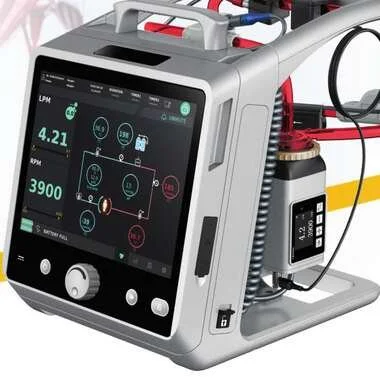
To learn more about the Lifemotion ECMO system — ARTG-listed and exclusively distributed across Australia and New Zealand by OHM Healthcare — visit us.
For healthcare professionals. Educational only — toxicological ECPR requires rapid specialist assessment and ECMO centre availability.

 Request Demonstration →
Service Support →
Request Demonstration →
Service Support →