Neonatal ECMO — ECMO in newborns, typically within the first 28 days of life — was one of the earliest applications of extracorporeal life support and remains a life-saving therapy for term and near-term infants with severe cardiorespiratory failure. Australia and New Zealand have well-established neonatal ECMO programmes at major children's hospitals.
Indications for neonatal ECMO
The most common conditions treated with neonatal ECMO are:
- Meconium aspiration syndrome (MAS): severe aspiration causing chemical pneumonitis, air trapping and pulmonary hypertension
- Congenital diaphragmatic hernia (CDH): pulmonary hypoplasia and severe pulmonary hypertension; ECMO is used as a bridge to surgical repair in severe cases
- Persistent pulmonary hypertension of the newborn (PPHN): failure of normal postnatal fall in pulmonary vascular resistance
- Congenital heart disease: post-operative support after neonatal cardiac surgery
- Neonatal sepsis: sepsis-induced cardiac and respiratory failure refractory to conventional support
ECMO criteria in neonates
Standard eligibility criteria for neonatal ECMO include: gestational age ≥34 weeks, birth weight ≥2 kg (to accommodate minimum cannula size), absence of lethal anomalies, reversible condition, and a clinical severity score (OI — oxygenation index) above a threshold (typically OI >40). Pre-ductal SpO₂ below 85% despite maximal support is a common trigger.
Cannulation in neonates
Neonatal ECMO is usually performed via the right neck: internal jugular vein for venous drainage and right common carotid artery for arterial return (VA ECMO). Carotid artery ligation at decannulation has been used historically; in larger neonates, carotid repair may be attempted. Long-term neurodevelopmental follow-up is recommended for all neonatal ECMO survivors, as carotid ligation and prior hypoxia may have subtle cerebrovascular effects.
Duration and outcomes
Neonatal ECMO runs are typically shorter than adult runs — median 4–10 days for MAS and PPHN, longer for CDH. Survival to discharge for MAS is approximately 90–95%; CDH on ECMO carries lower survival (50–60%) reflecting the severity of pulmonary hypoplasia. The ELSO registry provides regularly updated neonatal outcome data.
Long-term neurodevelopmental outcomes
ECMO survivors — particularly those with CDH and those who experienced periods of hypoxia — require long-term follow-up. Neurodevelopmental assessments at 1, 2, 5 and school ages help identify cognitive, motor and hearing difficulties that may need early intervention. Australian neonatal ECMO programmes include structured follow-up clinics for this purpose.
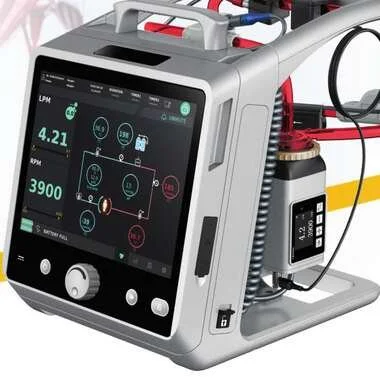
To learn more about the Lifemotion ECMO system — ARTG-listed and exclusively distributed across Australia and New Zealand by OHM Healthcare — visit us.
For healthcare professionals and families. Educational only — neonatal ECMO decisions require specialist neonatal and paediatric cardiac expertise.

 Request Demonstration →
Service Support →
Request Demonstration →
Service Support →