ECMO in children shares the same physiological principles as adult ECMO — an external circuit oxygenates blood and supports the heart or lungs — but paediatric ECMO is a distinct subspecialty with its own indications, circuit configurations, technical challenges, and outcomes. Understanding these differences is important for teams working in paediatric intensive care units and for those planning ECMO programme development.
Indications in children
Paediatric ECMO indications differ from adults in their distribution:
- Cardiac: congenital heart disease (CHD) — post-operative failure after cardiac surgery — is the leading indication in children, followed by myocarditis and refractory arrhythmias
- Respiratory: viral pneumonia (RSV, influenza, adenovirus), ARDS, aspiration pneumonitis
- ECPR: in-hospital cardiac arrest is more common in children (vs out-of-hospital in adults); ECPR outcomes in children are among the best for any ECMO indication
Technical differences in paediatric ECMO
- Smaller cannulae: circuit flows are scaled to body weight (100–150 mL/kg/min); smaller cannulae require higher revolutions per minute and greater haemolysis risk
- Priming volume: the circuit prime volume may be a significant fraction of the child's blood volume — circuit priming with packed red cells and FFP is common in neonates and small children
- Temperature regulation: smaller body mass means faster heat loss; temperature management is more challenging
- Cannulation: neck cannulation (right internal jugular vein and carotid artery) is common in neonates; right carotid artery ligation may be required and long-term neurodevelopmental monitoring is important
Outcomes in children
The ELSO registry reports overall survival to discharge of approximately 45–55% for paediatric ECMO across all indications. Outcomes are best for ECPR (in-hospital cardiac arrest, 40–50% survival), paediatric myocarditis (60–70%), and worst for post-cardiac surgery with complex CHD. Neurological outcomes in paediatric ECMO survivors require long-term follow-up due to vulnerability of the developing brain.
Australian paediatric ECMO
Paediatric ECMO in Australia is concentrated at children's hospitals including Sydney Children's Hospital Network, Royal Children's Hospital Melbourne, Queensland Children's Hospital and Perth Children's Hospital. The NSW ECLS programme coordinates paediatric ECMO retrieval using the Kids ECMO Retrieval Service (KERS), which enables ECMO to be deployed on the road and in retrieval aircraft for children from regional centres.
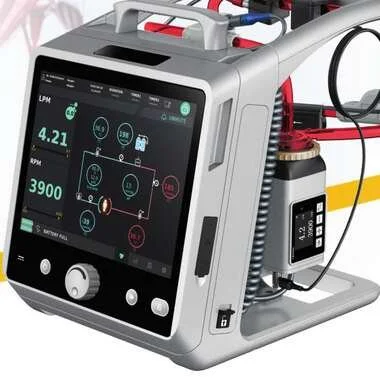
To learn more about the Lifemotion ECMO system — ARTG-listed and exclusively distributed across Australia and New Zealand by OHM Healthcare — visit us.
For healthcare professionals. Educational only — paediatric ECMO requires specialist paediatric intensive care and cardiac surgery expertise.

 Request Demonstration →
Service Support →
Request Demonstration →
Service Support →