ECMO during pregnancy presents unique physiological and ethical challenges. The decision to initiate ECMO in a pregnant patient must balance maternal benefit against fetal risk, while accounting for the profound cardiovascular and respiratory changes of pregnancy. Despite these complexities, ECMO has been used successfully in pregnant and peripartum women across Australia, New Zealand and internationally.
Indications for ECMO in pregnancy
The same fundamental principles apply — ECMO is used when cardiorespiratory failure is severe, potentially reversible, and refractory to conventional management. Common indications in the obstetric population include:
- VV ECMO: severe COVID-19 pneumonia (the leading indication in recent years), influenza H1N1 ARDS, severe peripartum pneumonia
- VA ECMO: peripartum cardiomyopathy with refractory cardiogenic shock, massive obstetric haemorrhage with cardiac arrest, amniotic fluid embolism causing cardiovascular collapse
Physiological considerations in pregnancy
Pregnant patients differ in important ways from non-pregnant adults:
- Increased cardiac output (up to 50% by third trimester) — ECMO flows may need to be higher
- Reduced functional residual capacity and higher oxygen consumption — respiratory failure progresses faster
- Aortocaval compression in supine position — positioning and cannula placement require modification (lateral tilt)
- Hypercoagulable state — increased thrombotic risk in the ECMO circuit
- Fetal monitoring must be incorporated into ICU care
Anticoagulation challenges
Heparin is the anticoagulant of choice in pregnancy as it does not cross the placenta. Target ACT ranges are similar to non-pregnant patients, but bleeding risk — particularly postpartum — is elevated. Careful balance of anticoagulation against risk of placental abruption or postpartum haemorrhage requires close liaison between ECMO intensivists, haematologists and obstetricians.
Delivery decisions on ECMO
Decisions about timing and mode of delivery during ECMO are highly individualised and require multidisciplinary input from obstetrics, neonatology, cardiology, and intensive care. Caesarean section can be performed in patients on ECMO when maternal or fetal condition demands. Some patients are delivered prior to ECMO initiation to improve respiratory mechanics and allow aggressive ECMO management.
Fetal outcomes
In published case series, fetal and neonatal outcomes are related primarily to gestational age at delivery and to the severity of maternal illness. When ECMO permits maternal stabilisation until a viable gestational age is reached, neonatal outcomes can be excellent. Earlier delivery carries risks associated with prematurity.
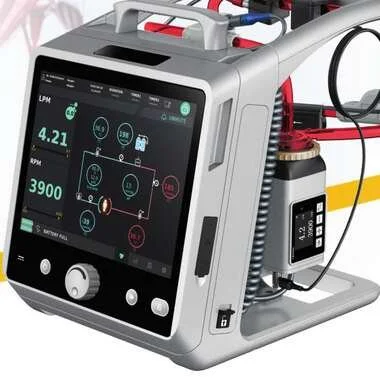
To learn more about the Lifemotion ECMO system — ARTG-listed and exclusively distributed across Australia and New Zealand by OHM Healthcare — visit us.
For healthcare professionals. Educational only — ECMO in pregnancy requires specialist obstetric and ECMO expertise at a tertiary centre.

 Request Demonstration →
Service Support →
Request Demonstration →
Service Support →