Accidental hypothermia — core temperature below 35°C, and especially below 30°C — can cause life-threatening arrhythmias, cardiovascular collapse, and cardiac arrest. Yet unlike other causes of cardiac arrest, hypothermic cardiac arrest is uniquely recoverable: the low body temperature reduces metabolic demand and can protect the brain and vital organs for hours. VA ECMO provides the ideal rewarming and resuscitation tool for severe hypothermic arrest.
Why hypothermia is different from other cardiac arrest
The principle guiding hypothermia management is: "Not dead until warm and dead." Patients in hypothermic cardiac arrest who appear clinically dead — no pulse, fixed dilated pupils, rigid muscles — may survive with full neurological recovery if rapidly rewarmed. This is because metabolic rate falls approximately 7% per degree Celsius reduction in temperature; at 20°C, oxygen consumption is reduced to approximately 20% of normal. Brain injury from ischaemia therefore progresses far more slowly.
ECMO as the preferred rewarming method
Active internal rewarming via ECMO is the fastest and most effective method for rewarming patients with cardiac arrest from hypothermia. The ECMO circuit's heat exchanger can increase core temperature at 1–2°C per hour. Equally important, VA ECMO supports the circulation during the rewarming period when ventricular fibrillation is common and DC cardioversion is ineffective until temperature exceeds 30°C.
Indications for ECMO in hypothermia
- Hypothermic cardiac arrest with core temperature < 30°C (or < 28°C with haemodynamic instability)
- Refractory ventricular fibrillation despite standard ACLS
- Potassium < 12 mmol/L (higher potassium suggests cellular death rather than hypothermia-induced arrest)
- Absence of obvious traumatic cause of arrest
Serum potassium is a key prognostic marker: potassium >12 mmol/L in hypothermic arrest suggests cell lysis and poor prognosis regardless of ECMO.
Australian and mountain rescue contexts
While severe accidental hypothermia requiring ECMO is more commonly encountered in alpine environments (Switzerland, Scandinavia), Australian and New Zealand intensive care teams may encounter it in mountain recreation contexts (South Island NZ, Victorian Alps, Snowy Mountains) and in exposure victims. Awareness of the protocol — and access to VA ECMO capability — is important for ICUs near alpine regions.
Outcomes
In the largest case series of ECMO-rewarmed hypothermic cardiac arrest (Lausanne series), survival to hospital discharge was approximately 50% overall, with the majority of survivors achieving full neurological recovery. These extraordinary outcomes reflect the neuroprotective effect of hypothermia during cardiac arrest.
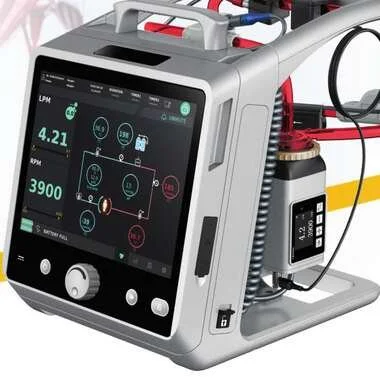
To learn more about the Lifemotion ECMO system — ARTG-listed and exclusively distributed across Australia and New Zealand by OHM Healthcare — visit us.
For healthcare professionals. Educational only — hypothermic cardiac arrest management requires specialist ECMO and critical care expertise.

 Request Demonstration →
Service Support →
Request Demonstration →
Service Support →