Acute myocarditis — inflammation of the myocardium — ranges from mild, self-limiting disease to fulminant myocarditis with rapidly progressive cardiogenic shock that can be lethal within hours. VA ECMO is a life-saving bridge in fulminant myocarditis, providing haemodynamic support while the acute inflammatory process resolves — or while the patient is bridged to a durable device or cardiac transplant.
Types of myocarditis relevant to ECMO
- Fulminant lymphocytic myocarditis: acute onset, severely impaired LV function, but high rate of spontaneous recovery with haemodynamic support; VA ECMO provides the bridge to recovery
- Giant cell myocarditis (GCM): rare but aggressive; poor prognosis without aggressive immunosuppression; VA ECMO as bridge to transplant is frequently required
- Eosinophilic myocarditis: hypersensitivity reaction; responds to corticosteroids; ECMO may be needed during the acute phase
- Viral myocarditis: caused by enteroviruses, adenovirus, parvovirus B19, COVID-19; supports the myocardium during viral clearance
Why ECMO is well-suited to myocarditis
The key rationale is reversibility. Unlike ischaemic cardiomyopathy (where myocardium is replaced by scar), the myocardial injury in viral or autoimmune myocarditis is potentially recoverable. VA ECMO rests the heart by reducing wall stress and oxygen demand while maintaining systemic perfusion — giving the myocardium time to heal. Recovery rates for fulminant lymphocytic myocarditis on ECMO are substantially better than for AMI-CS.
Endomyocardial biopsy on ECMO
Definitive diagnosis of myocarditis type requires endomyocardial biopsy (EMB). EMB can be performed safely in patients on VA ECMO at experienced centres and guides immunosuppression decisions. In GCM, early diagnosis by EMB is critical as immunosuppression (tacrolimus, cyclosporine + prednisolone) may prevent transplant or improve post-transplant outcomes.
Outcomes on ECMO for myocarditis
Outcomes are generally better for myocarditis than for other causes of cardiogenic shock managed with VA ECMO. Published series report survival to discharge of 55–75% for fulminant myocarditis on ECMO. Recovery of LV function typically occurs within 1–4 weeks of ECMO support. Patients who do not recover require transition to durable LVAD or transplant.
Australian experience
Australian ECMO centres — including the Alfred in Melbourne and St Vincent's in Sydney — have established programmes for myocarditis and bridge-to-transplant ECMO. Coordination with state-based cardiac transplant programmes ensures seamless escalation when recovery does not occur.
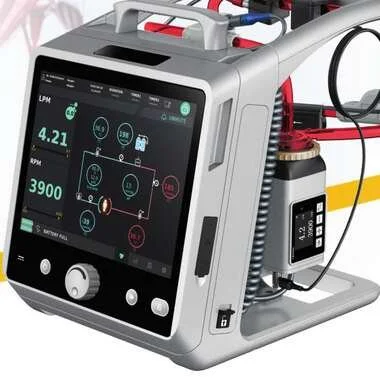
To learn more about the Lifemotion ECMO system — ARTG-listed and exclusively distributed across Australia and New Zealand by OHM Healthcare — visit us.
For healthcare professionals. Educational only — management of myocarditis on ECMO requires specialist cardiac and ECMO expertise.

 Request Demonstration →
Service Support →
Request Demonstration →
Service Support →