COVID-19 caused a surge in demand for VV ECMO at a scale never previously encountered. At the height of the pandemic, intensive care units across Australia, New Zealand and the world faced the challenge of delivering ECMO support to large numbers of patients with severe COVID-19 ARDS — while managing staff safety, circuit supply, and bed capacity simultaneously. This article summarises what the clinical evidence from that period tells us about ECMO in COVID-19, and what lessons remain relevant today.
COVID-19 ARDS and ECMO indications
COVID-19 pneumonitis causes a distinctive pattern of ARDS — often with relatively preserved compliance in early stages (the "L-phenotype") before progressing to severe, diffuse bilateral injury. Standard ECMO criteria (PaO₂/FiO₂ < 80, refractory to prone positioning and optimised ventilation) apply to COVID-19 just as to other causes of ARDS. The virus does not alter ECMO physiology; management principles are the same.
What the ELSO COVID registry showed
The ELSO registry collected data from over 4,000 COVID-19 patients on ECMO worldwide. Key findings:
- In-hospital mortality was approximately 37% for patients who completed their ECMO run — lower than many initially feared
- Outcomes were similar to pre-pandemic ECMO survival rates for matched ARDS
- Duration of ECMO support was longer in COVID-19 (median ~14 days) than pre-pandemic ARDS
- Centres that maintained high ECMO volumes reported better outcomes than newly scaled centres
Australian and New Zealand experience
Australia's coordinated ECMO networks (NSW ECLS, VECMOS) were tested during COVID-19 surges. Australian hospitals managed to maintain access to ECMO for the most critically ill, in part because early lockdowns limited initial case numbers. Data from the ANZICS registry showed outcomes broadly consistent with international series. Retrieval teams transported patients on ECMO from regional hospitals and from overseas (particularly Pacific Islands) throughout the pandemic.
Lessons for future outbreaks
- System surge capacity matters: ECMO outcomes are volume-dependent; network approaches that concentrate cases at experienced centres preserve outcome quality
- Circuit supply chains are critical: oxygenator and consumable shortages were a real constraint; ARTG-listed local distribution partnerships reduce this vulnerability
- Staff training must be maintained between surges: ECMO expertise takes years to build; simulation and ongoing volume preserve competency
- Longer ECMO runs require planning: prolonged COVID-19 ECMO required oxygenator change-outs and extended anticoagulation management protocols
ECMO for COVID-19 today
COVID-19 remains a cause of severe ARDS in vulnerable patients in 2026. ECMO continues to be appropriate for carefully selected patients with COVID-19 respiratory failure who meet standard VV ECMO criteria. The lessons of the pandemic have strengthened ECMO programmes across Australia and New Zealand.
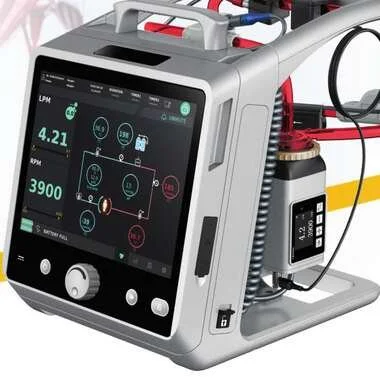
To learn more about the Lifemotion ECMO system — ARTG-listed and exclusively distributed across Australia and New Zealand by OHM Healthcare — visit us.
For healthcare professionals. Educational only — refer to current clinical guidelines for patient management decisions.

 Request Demonstration →
Service Support →
Request Demonstration →
Service Support →