When families and clinical teams are considering ECMO, one of the first questions is: what are the chances of survival? The honest answer is that ECMO survival rates vary widely by indication, patient selection, centre volume, and the quality of ICU management surrounding ECMO. This article summarises what the best available evidence — including Australian and New Zealand data — tells us.
VV ECMO for ARDS: survival rates
In the EOLIA trial (NEJM 2018), the largest randomised trial of ECMO for severe ARDS, 60-day mortality was 35% in the ECMO group vs 46% in the conventional ventilation group (p = 0.07 — close to significance despite crossing over). Observational series from high-volume centres report survival to hospital discharge of 50–70% for severe ARDS. The ELSO registry reports approximately 60% survival to discharge for adult respiratory ECMO globally.
VA ECMO for cardiogenic shock
VA ECMO for cardiogenic shock carries higher in-hospital mortality than VV ECMO for respiratory failure, reflecting the severity of the underlying cardiac illness. Large registry studies report in-hospital mortality of 40–60%. A 2024 analysis found that each 12-hour delay from admission to VA ECMO initiation increased adjusted mortality by 6%, underlining the importance of early referral and cannulation.
ECPR for refractory cardiac arrest
Extracorporeal CPR (ECPR) targets the highest-acuity patients — those in refractory cardiac arrest. In a landmark RCT, 43% of patients treated with ECPR survived to hospital discharge at six months, compared with 7% receiving conventional CPR. These results depend heavily on patient selection (witnessed arrest, shockable rhythm, short low-flow time, young age) and centre expertise.
Australian and New Zealand outcomes
The ANZICS ECMO registry collects prospective data on all ECMO runs in Australia and New Zealand. Published analyses from Australian centres (including the Alfred, RPA and St Vincent's) report outcomes consistent with leading international centres. NSW retrieval data show that interhospital ECMO transport can be accomplished safely, with outcomes comparable to those for patients cannulated at the ECMO centre.
What drives better outcomes?
Centre volume is one of the strongest predictors of ECMO survival. High-volume centres (>20 cases per year) consistently report better outcomes than low-volume centres. Outcomes are also better when:
- ECMO is initiated before refractory organ failure develops
- Antimicrobial, nutritional, and anticoagulation management is protocolised
- Multidisciplinary teams (intensivists, perfusionists, cardiac surgeons, nurses) work together
- Post-ECMO rehabilitation is part of the care model
Survival statistics describe populations, not individuals. Every ECMO patient is different. Discuss prognosis with your treating ECMO team, who can integrate your patient's specific diagnosis, age, comorbidities and clinical trajectory.
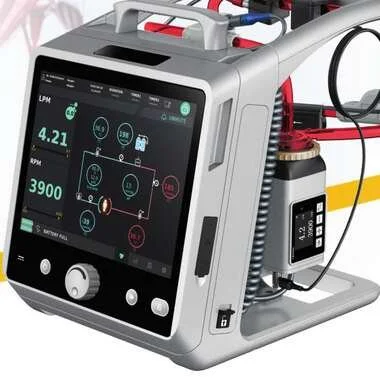
To learn more about the Lifemotion ECMO system — ARTG-listed and exclusively distributed across Australia and New Zealand by OHM Healthcare — visit us.
For healthcare professionals and families. Educational only — statistics cited are from published literature and may not predict individual outcomes.

 Request Demonstration →
Service Support →
Request Demonstration →
Service Support →