One of the most common questions asked by families — and increasingly by clinicians planning ICU resources — is: how long can a patient remain on ECMO? The answer depends on the underlying diagnosis, the type of ECMO support, circuit durability, and the clinical trajectory. This article reviews what the evidence and clinical practice say about ECMO duration.
Typical durations by indication
Duration varies significantly across clinical scenarios:
- VV ECMO for ARDS: median 10–14 days in most large series; some patients require support for 4–6 weeks while awaiting lung recovery
- VA ECMO for cardiogenic shock: typically shorter — 5–10 days — as a bridge to recovery, a ventricular assist device, or transplant listing
- ECPR (cardiac arrest): days to a week, depending on neurological recovery and underlying cause
- Neonatal/paediatric ECMO: highly variable; neonates with meconium aspiration or diaphragmatic hernia may be weaned within 5–10 days
What limits ECMO duration?
There is no absolute upper limit to ECMO duration, but several factors constrain prolonged support:
- Circuit degradation: oxygenator efficiency declines over time due to protein deposition and fibrin formation; circuit or oxygenator change-out is required
- Anticoagulation burden: prolonged heparin anticoagulation increases cumulative bleeding risk, particularly intracranial and surgical site bleeding
- Infection risk: cannula sites and circuit components create entry points for infection; prolonged ECMO increases this risk
- Lack of improvement: if the native organ shows no recovery trajectory, the clinical team and family must consider goals of care
Record and extended runs
Case reports describe individual patients supported on ECMO for months — occasionally exceeding six months — while awaiting lung transplantation. These cases are exceptional and require experienced centres with the capability to circuit change, manage complications, and support awake, mobilising patients on ECMO. In Australia, this level of prolonged support is available at select transplant-capable ECMO centres.
When is ECMO stopped?
ECMO is discontinued when:
- The patient's native organ function has recovered sufficiently (successful wean)
- A bridge destination has been reached (device implanted, transplant performed)
- Continued ECMO is deemed futile or not consistent with the patient's wishes and clinical prognosis
Withdrawal of ECMO in end-of-life contexts requires careful multidisciplinary and family communication. Most Australian ECMO centres have specialist palliative care teams available.
Clinical note: Duration should never be the primary decision driver. Daily review of trajectory — oxygenator function, lung compliance trends, cardiac echocardiography — guides the decision to continue, circuit-change, or wean.
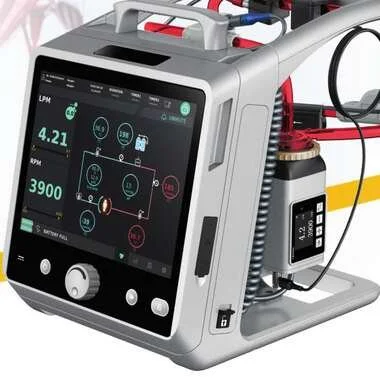
To learn more about the Lifemotion ECMO system — ARTG-listed and exclusively distributed across Australia and New Zealand by OHM Healthcare — visit us.
For healthcare professionals and families. Educational only — refer to your clinical team for individualised guidance.

 Request Demonstration →
Service Support →
Request Demonstration →
Service Support →