Patients on ECMO are at substantially elevated risk of nosocomial infection. The combination of large-bore vascular access (cannulae), immunosuppression from critical illness, prolonged ICU stay, and the ECMO circuit itself creates multiple portals for infection. Infection complicates 15–30% of ECMO runs and contributes significantly to morbidity and mortality in long-term ECMO patients.
Types of infection in ECMO patients
- Cannula-site infection: skin and soft tissue infection at the cannulation site; prevention relies on sterile technique at insertion and daily wound care
- Bloodstream infection (ECMO-CLABSI): bacteraemia or fungaemia from colonised cannulae or circuit components; Staphylococcus aureus, coagulase-negative staphylococci, gram-negative organisms and Candida species are all reported
- Ventilator-associated pneumonia (VAP): common in mechanically ventilated ECMO patients; prevention bundles (head-of-bed elevation, oral care, daily sedation holds) apply
- Intra-abdominal infection: from gut translocation during hypoperfusion, particularly in VA ECMO
Surveillance and diagnosis
Fever on ECMO may be masked by heat exchange through the circuit (blood returning at set temperature). Absence of fever does not exclude infection. Daily assessment should include:
- White cell count and differential
- C-reactive protein and procalcitonin trend
- Blood cultures at any deterioration (paired peripheral and central if possible)
- Regular chest X-ray and clinical assessment of all infection sites
Antimicrobial prophylaxis on ECMO
Routine antimicrobial prophylaxis for ECMO cannulation is not universally recommended. Most centres give a single-dose surgical prophylactic antibiotic at cannulation (typically cephalosporin or flucloxacillin). Prolonged prophylaxis is not supported by evidence and risks selection of resistant organisms. Antifungal prophylaxis is considered for prolonged ECMO runs (>14 days) or in immunocompromised patients.
Treating infection on ECMO
Antibiotic pharmacokinetics are significantly altered by ECMO: increased volume of distribution, adsorption of lipophilic drugs (including many antibiotics) onto circuit components, and renal alterations all affect drug levels. Therapeutic drug monitoring (TDM) of vancomycin, aminoglycosides and β-lactams is important. Dose adjustments guided by TDM and infectious disease consultation are recommended for infections on ECMO.
Circuit-related infection
True circuit infection (microbial colonisation of the ECMO circuit itself) is rare but has been reported. It does not typically require circuit change if systemic infection responds to antibiotics. However, fungal biofilm on circuit components may necessitate circuit change in addition to systemic antifungal therapy.
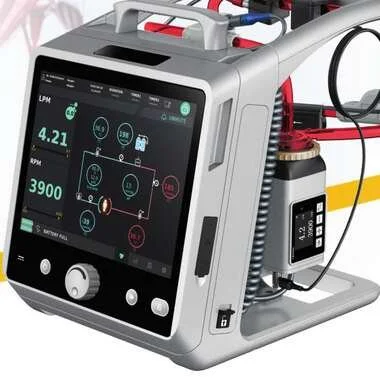
To learn more about the Lifemotion ECMO system — ARTG-listed and exclusively distributed across Australia and New Zealand by OHM Healthcare — visit us.
For healthcare professionals. Educational only — infection management on ECMO requires specialist infectious disease and ECMO expertise.

 Request Demonstration →
Service Support →
Request Demonstration →
Service Support →