North-South syndrome — also called differential cyanosis, Harlequin syndrome, or meridional hypoxia — is a unique complication of peripheral venoarterial ECMO in which the upper body (including the brain and coronary arteries) receives less-oxygenated blood from the recovering but still impaired native lungs, while the lower body receives well-oxygenated blood from the ECMO return cannula.
Why does North-South syndrome occur?
In peripheral (femoral) VA ECMO, oxygenated blood is returned to the descending aorta in a retrograde direction. If the native heart begins to recover and ejects an increasing fraction of cardiac output from the aortic valve, a "mixing zone" develops in the aorta. If the native lungs are still severely impaired (as in combined cardiac and respiratory failure, or severe pneumonia), the LV ejects poorly oxygenated blood cranially — supplying the coronary arteries and brain — while ECMO-oxygenated blood perfuses the abdomen and lower extremities.
How to recognise it
The clinical hallmark is differential SpO₂: right hand (pre-ductal) SpO₂ significantly lower than the lower extremity SpO₂ (usually measured from the right hand and foot simultaneously). A difference of >5–10% is clinically significant. Right radial arterial blood gas will show lower PaO₂ than femoral or left radial gas.
Critical point: During VA ECMO, routine SpO₂ monitoring should include a right-hand probe specifically. Left-hand or foot-only monitoring will miss North-South syndrome because the mixing zone may be at or above the left subclavian.
Clinical consequences
- Cerebral hypoxia: the most feared consequence — silent watershed infarction or overt stroke if unrecognised
- Coronary hypoxia: myocardial ischaemia even in the presence of patent coronary arteries
- Delayed cardiac recovery: ischaemic insult superimposed on stunned myocardium
Management options
Strategies to correct North-South syndrome:
- Optimise native lung function: treat pneumonia, recruit lungs, increase ventilator FiO₂ and PEEP
- Add an oxygenation cannula to the jugular vein (VVA ECMO): a third cannula returns oxygenated blood to the right atrium/superior vena cava, ensuring oxygenated blood reaches the coronary and cerebral circulation via the native cardiac output
- Switch to central cannulation: return cannula placed in the ascending aorta ensures oxygenated blood is delivered antegrade to all vessels
- Reduce ECMO flow: counterintuitively, reducing ECMO support may push the mixing zone distally; only safe if haemodynamics permit
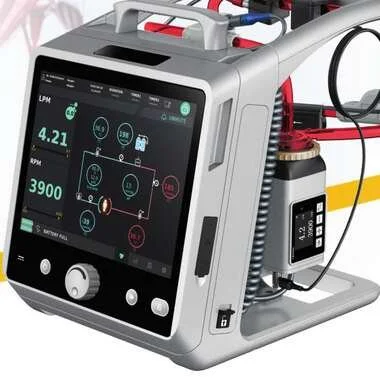
To learn more about the Lifemotion ECMO system — ARTG-listed and exclusively distributed across Australia and New Zealand by OHM Healthcare — visit us.
For healthcare professionals. Educational only — management of VA ECMO complications requires specialist ECMO expertise.

 Request Demonstration →
Service Support →
Request Demonstration →
Service Support →