Critically ill patients on extracorporeal membrane oxygenation are among the most metabolically demanding in the ICU. ECMO is associated with altered drug pharmacokinetics, sequestration of nutrients within the circuit, and the combined catabolic burden of severe cardiorespiratory failure. Optimising nutrition during ECMO — when to start, how much to give, and which route — is an important component of comprehensive ECMO management.
Why nutrition is different on ECMO
Several ECMO-specific factors complicate nutritional support:
- Adsorption into circuit components: lipid-soluble medications and some micronutrients may be absorbed by the polyvinyl chloride tubing and oxygenator membranes, reducing effective delivery
- Haemodynamic instability: reduced splanchnic perfusion (particularly on VA ECMO) may impair enteral tolerance, particularly in the early phase
- High metabolic demand: systemic inflammation, high cardiac work on weaning, and the stress response all increase energy requirements
- Drug interactions: propofol (a lipid emulsion) contributes to caloric intake and must be accounted for
When to start nutrition
Enteral nutrition should be initiated within 24–48 hours of ECMO cannulation when haemodynamically feasible — consistent with general ICU nutrition guidelines. VV ECMO patients (who retain their own cardiac function) typically tolerate early enteral feeding well. VA ECMO patients in low-flow or vasopressor-dependent states may require a short period of parenteral nutrition or delayed enteral feeding until haemodynamics stabilise.
Energy and protein targets
Indirect calorimetry is the most accurate method for measuring energy expenditure and is recommended for ECMO patients where available. In the absence of calorimetry:
- Energy: 20–25 kcal/kg/day (avoid overfeeding, which worsens CO₂ production)
- Protein: 1.2–2.0 g/kg/day; higher targets may be appropriate during prolonged ECMO
Enteral vs parenteral nutrition
Enteral nutrition is preferred where feasible, as it preserves gut mucosal integrity and immune function. A nasogastric or post-pyloric tube can be placed in most ECMO patients. If enteral nutrition is not tolerated (high gastric residual volumes, ileus), parenteral nutrition should be initiated to avoid prolonged caloric deficit. Combined enteral and parenteral nutrition is reasonable when enteral alone cannot meet targets.
Micronutrients and ECMO
Some studies suggest that ECMO circuits may adsorb fat-soluble vitamins (A, D, E, K), trace elements including selenium and zinc, and certain lipophilic drugs. Supplementation of antioxidants and trace elements during prolonged ECMO is reasonable, though evidence for specific supplementation protocols is limited. The NUTRIECMO study (Australia/NZ) has contributed data on nutritional practices in ANZ ECMO patients.
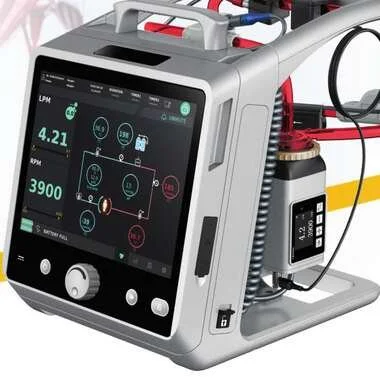
To learn more about the Lifemotion ECMO system — ARTG-listed and exclusively distributed across Australia and New Zealand by OHM Healthcare — visit us.
For healthcare professionals. Educational only — nutritional management on ECMO requires dietitian and clinical team input.

 Request Demonstration →
Service Support →
Request Demonstration →
Service Support →