This article is intended for healthcare professionals with training in ECMO management.
Every blood-contacting surface in an ECMO circuit triggers a biological response. The question is not whether that response occurs — it always does — but how significant it is, and how the circuit's design manages it.
The bio-incompatibility problem
When blood contacts a foreign surface, protein adsorption begins within milliseconds. Fibrinogen, albumin, immunoglobulins — all rapidly coat the surface. This protein layer triggers platelet activation and complement activation, initiating an inflammatory and thrombotic cascade that persists throughout the duration of circuit contact.
Over a long ECMO run — 72 hours, seven days, two weeks — this cumulative biological response contributes to platelet consumption, thrombotic risk including oxygenator clotting, and inflammation. It is managed with systemic anticoagulation, but anticoagulation itself carries bleeding risk. Balancing thrombosis and bleeding is one of the defining clinical challenges of long-run ECMO.
What phosphorylcholine (PC) coating does
Phosphorylcholine mimics the outer leaflet of the human red cell membrane — the structure that the immune system recognises as "self." By presenting a zwitterionic, phospholipid-like interface at the blood-circuit boundary, PC-coated surfaces aim to reduce initial protein and platelet adhesion.
The mechanism is well-characterised in the biomaterials literature. Whether the reduction in bio-incompatibility translates to clinically meaningful differences in specific patient populations is a question individual centres may draw different conclusions on based on their case mix and experience.
The Lifemotion circuit
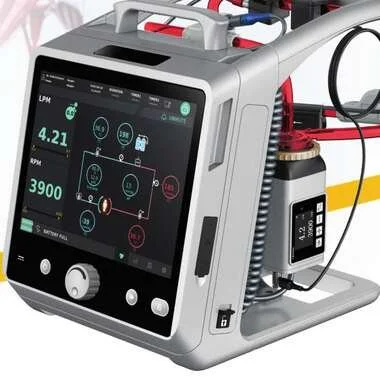
The Lifemotion ECMO platform uses phosphorylcholine coating across all blood-contacting surfaces: oxygenator (ARTG 528771), pump head (ARTG 528772), and circuit sets (ARTG 528773). The blood path is heparin-free — the biocompatibility approach relies on the PC coating rather than heparin bonding.
This is an engineering attribute of the platform. It describes how the circuit is constructed, not an outcome for any individual patient.
Anticoagulation strategy
Anticoagulation management on ECMO is an institutional and patient-specific decision, governed by programme protocols, the patient's clinical situation, and ongoing monitoring. The hemocompatibility characteristics of the circuit are one input into that decision-making — they do not substitute for it.
For enquiries about the Lifemotion ECMO platform or to arrange a demonstration, contact OHM Healthcare at sales@ohmhealthcare.com.au or visit lifemotionecmo.com.au.
For healthcare professionals and healthcare organisations. Product availability and specifications subject to the locally approved Instructions for Use.
OHM Healthcare · sales@ohmhealthcare.com.au · 03 9115 7464 · lifemotionecmo.com.au

 Request Demonstration →
Service Support →