Modern ECMO consoles are equipped with comprehensive alarm systems that alert the bedside team to circuit events, patient deterioration, and technical faults. Knowing what each alarm means — and the correct immediate response — is essential for every clinician and nurse working with ECMO. This article covers the most common ECMO alarm categories and their troubleshooting approach.
Low flow alarm
Triggered when measured blood flow drops below the set minimum threshold.
Causes:
- Hypovolaemia — insufficient venous return to the drainage cannula
- Drainage cannula malposition or kink
- Tamponade or tension pneumothorax
- Increased circuit resistance (oxygenator clot)
- Power supply fault
Response: Check for chattering of the drainage line. Assess patient's volume status. Check cannula position and tubing for kinks. Reduce pump speed temporarily if chattering is severe. Call ECMO physician immediately.
High inlet pressure alarm (suction alarm)
Signals excessively negative pressure at the drainage cannula — the pump is trying to draw more blood than is available. Persistent suction causes haemolysis and cannula vibration ("chattering").
Response: Reduce pump speed. Fluid bolus. Check drainage cannula position. Assess for tamponade, pneumothorax, or position of the patient (legs elevated may increase preload).
High outlet pressure alarm
Signals increased resistance to flow in the post-pump, pre-patient portion of the circuit.
Causes: Oxygenator thrombosis, return cannula kink, arterial hypertension (in VA ECMO).
Response: Inspect oxygenator for clot. Check return cannula for kinking. Measure pressure drop across oxygenator. Notify ECMO physician — may indicate need for circuit change.
Air in circuit alarm
One of the most critical alarms. Even small amounts of air can cause fatal air embolism if they reach the patient.
Response: Clamp both the drainage and return lines immediately. Do not restart flow until source of air is identified and eliminated. Call ECMO physician urgently. Never allow air to reach the patient.
Emergency clamps: Every ECMO bedside must have at least two haemostatic clamps immediately accessible and the nursing team must know how to clamp both lines without hesitation. Simulation training for this scenario is mandatory.
Power failure alarm
The ECMO console has switched from mains power to battery backup, or battery is depleting.
Response: Check mains power connection immediately. Confirm battery status. If battery is the only source, manually crank the pump to maintain flow if battery fails. Know your console's battery duration and manual drive location.
Oxygenator failure alarm
Some systems have integrated post-membrane SpO₂ sensors that alarm when oxygenator efficiency drops.
Response: Check circuit for clot. Measure post-membrane blood gas. Notify ECMO physician — circuit change may be required urgently.
Temperature alarm
Water bath temperature out of range — heat exchanger may be failing or patient is hypo/hyperthermic.
Response: Check water bath level and temperature setting. Confirm patient temperature. Notify ECMO physician if core temperature is significantly abnormal.
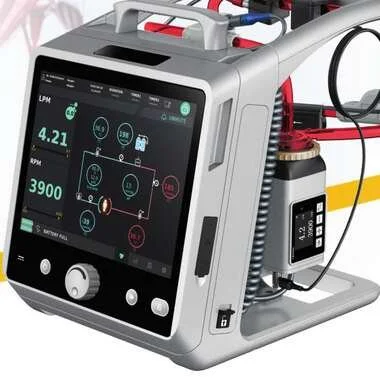
To learn more about the Lifemotion ECMO system — ARTG-listed and exclusively distributed across Australia and New Zealand by OHM Healthcare — visit us.
For ICU nurses and healthcare professionals. Educational only — always refer to your centre's ECMO emergency protocols and device-specific training.

 Request Demonstration →
Service Support →
Request Demonstration →
Service Support →